
Tone Glow Film Festival
Presented by Tone Glow
Co-Presented by Chicago Filmmakers
May 21 - 24, 2026
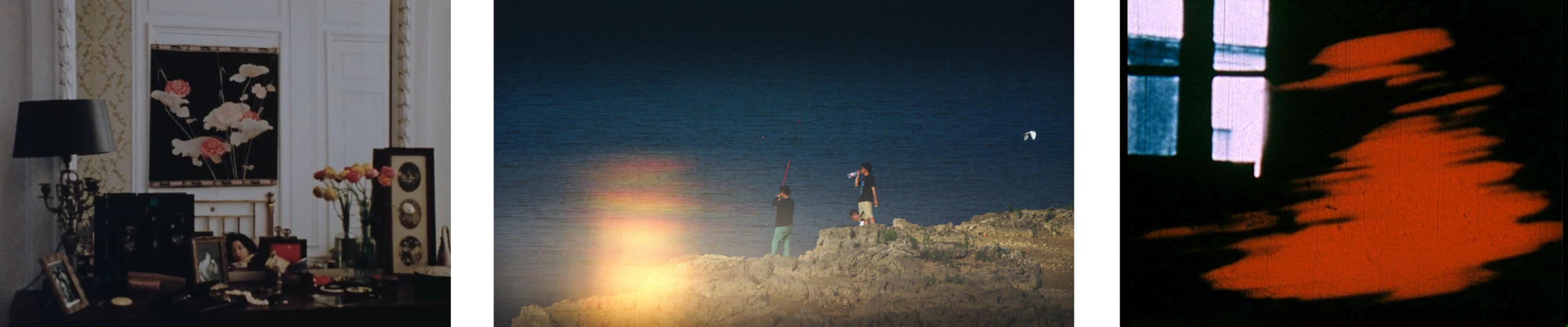
Shades of Silk (1978), The Rib of the Greater Bay Area (2026), Bruine Squamma 3ème partie : Séries Saturées (1972-1977)
Tone Glow is excited to announce the Tone Glow Film Festival (TGFF), a festival committed to showcasing the best in experimental film, co-presented by Chicago Filmmakers.
The screenings will take place on Thursday, May 21st to Sunday, May 24th at three venues in Chicagoland. 45 films will be shown across 14 programs, and 26 of these films will be shown on 16mm prints, some of which were imported from overseas. Eschewing traditional submission-based programming, TGFF hand-selects works that highlight the ingenuity, originality, and radical possibilities of independent and avant-garde filmmaking. Its mission is to provide local audiences with the chance to see masterworks both new and old, inviting contemplation on the cinematic form’s history and future.
Passes and tickets to all screenings can be purchased at the link below.
Screenings
The following TGFF screenings will take place at Chicago Filmmakers’ Firehouse Cinema
SHADOW STEPPING: THE FILMS OF ISAO KOTA
Thursday, May 21st at 6PM
SHADOW STEPPING is a showcase of eight works by the overlooked Japanese avant-garde filmmaker Isao Kota (b. 1953). Kota first became aware of experimental films while attending art school in Tokyo. After getting his hands on some equipment, he soon began making his own works in 1972, crafting 35 meticulous short-form experiments on 8mm and 16mm in the ensuing decades. Restorations of Kota’s works began in 2023, and while these films have been shown in Japan, few have been screened in the US. This event presents eight highlights from throughout his career, including his very first and last works. His films, defined by their precision and editing trickery, led to him donning the nickname the “Alchemist of Images.”
Program:
Far from the explosive form of fruit (Isao Kota, 1972, 8 mins)
Ascension (Isao Kota, 1972, 4 mins)
Dutchman’s Photographs (Isao Kota, 1976, 7 mins)
Preparation (100-feet Version) (Isao Kota, 1977, 3 mins)
Full Tide (Isao Kota, 1981, 7 mins)
Echo (Isao Kota, 1982, 9 mins)
Shadow Stepping (Isao Kota, 1983, 14 mins)
Big Stone and Small Night (Isao Kota, 1991, 12 mins)
TRT = 64 mins
Films provided by the Underground Cinema Festival.
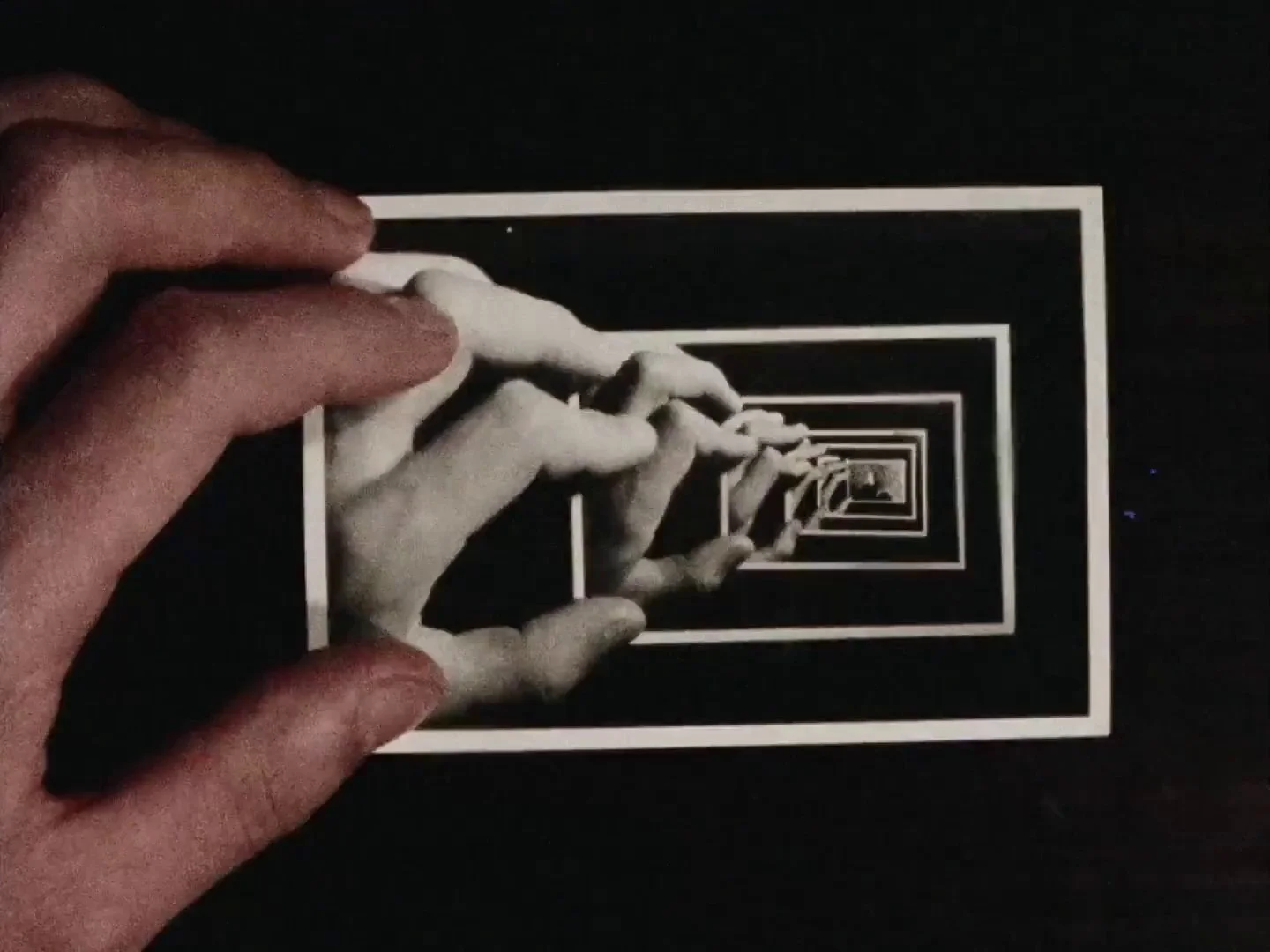
Dutchman’s Photographs (1976)
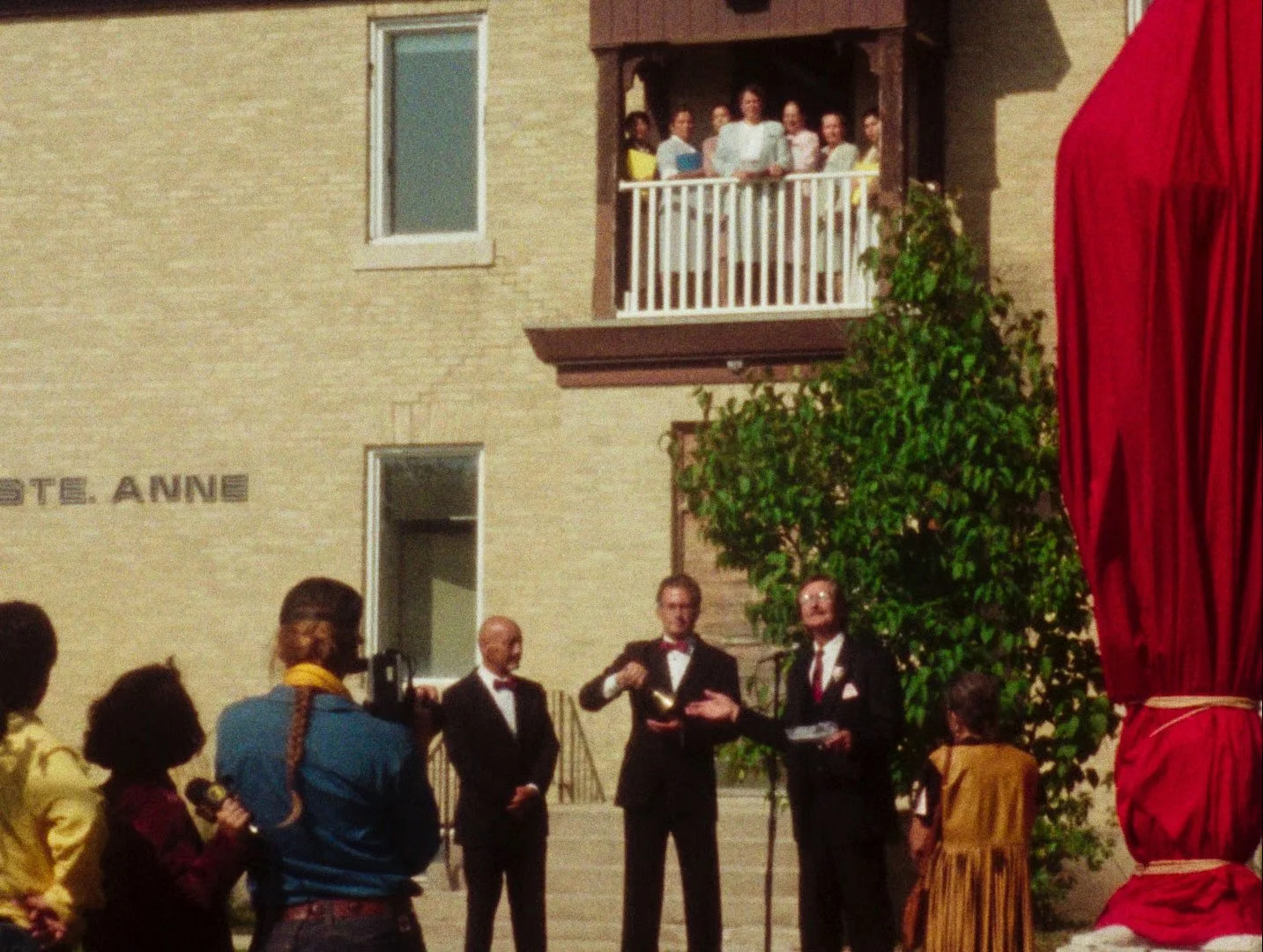
Levers (2025)
OPENING NIGHT: RHAYNE VERMETTE’S LEVERS (Director in Person)
Co-presented by the Center for Native Futures
Thursday, May 21st at 8PM
LEVERS is the second feature film from Métis filmmaker Rhayne Vermette. The film begins in Red River Valley, Manitoba, as a crowd of people watch as a new sculpture is unveiled. Shortly after, the entire world faces a strange phenomenon in which the sun doesn’t rise. Weaving together mystic symbolism, religious imagery, and Indigenous cultural signifiers, LEVERS is an atmospheric drifter of a film, bound together by slippery narrative strands that exemplifies Vermette’s disinterest in typical storytelling methods. “I think that’s a really colonial construct,” she once said of three-point narratives. “I really like to work with circular narratives and have things intersect, and see how you can build a story that way.” Vermette will be present for a post-screening Q&A.
LEVERS is preceded by Kim Westfall’s LANDSCAPE PSYCHOSIS, a short film shot in the early spring on the Mongolian steppe. “Magnificent piles of ovoo (folkloric border markers and shrines), the rubble of Soviet military bases populated by lost cows, and MiG fighter aircrafts serve as outposts. The weather shifts from sunshine to snow and sandstorms. Trains dispatching minerals north to Russia, and south to China interrupt the rough terrain. Together we trace a path of static flight, annual drift, and atemporal remnants lingering in the steppe.”
Program:
Landscape Psychosis (Kim Westfall, 2026, 6 mins)
Levers (Rhayne Vermette, 2025, 95 mins)
TRT = 101 mins + Q&A with Rhayne Vermette
Films provided by the directors.
SHADES OF SILK: MARY STEPHEN’S EARLY FILMS (Virtual Q&A with Director)
Friday, May 22nd at 6PM
Mary Stephen (b. 1953) is a Hong Kong-born, Paris-based filmmaker best known for working as Éric Rohmer’s editor during the latter part of his career—from THE AVIATOR’S WIFE (1981) to THE ROMANCE OF ASTREA AND CELADON (2007). Stephen studied at Concordia University in Montreal, making her first films in the early 1970s. These works were partly inspired by experimental filmmakers like Maya Deren and Charles Gagnon. She would crystallize her ideas with SHADES OF SILK (1978), a hidden gem of diasporic Asian cinema. The film takes Marguerite Duras’ INDIA SONG (1975) as its foundation and displays languor and longing through the context of societal and familial pressures placed upon Asian women. In her words, it is about people who are “stuck in their destiny.” Stephen will be present for a virtual Q&A.
Program:
Labyrinthe (Mary Stephen, 1973, 5 mins)
A Very Easy Death (Mary Stephen, 1975, 8 mins)
Shades of Silk (Mary Stephen, 1978, 62 mins)
TRT = 75 mins + Virtual Q&A with Mary Stephen
Films provided by Several Futures.
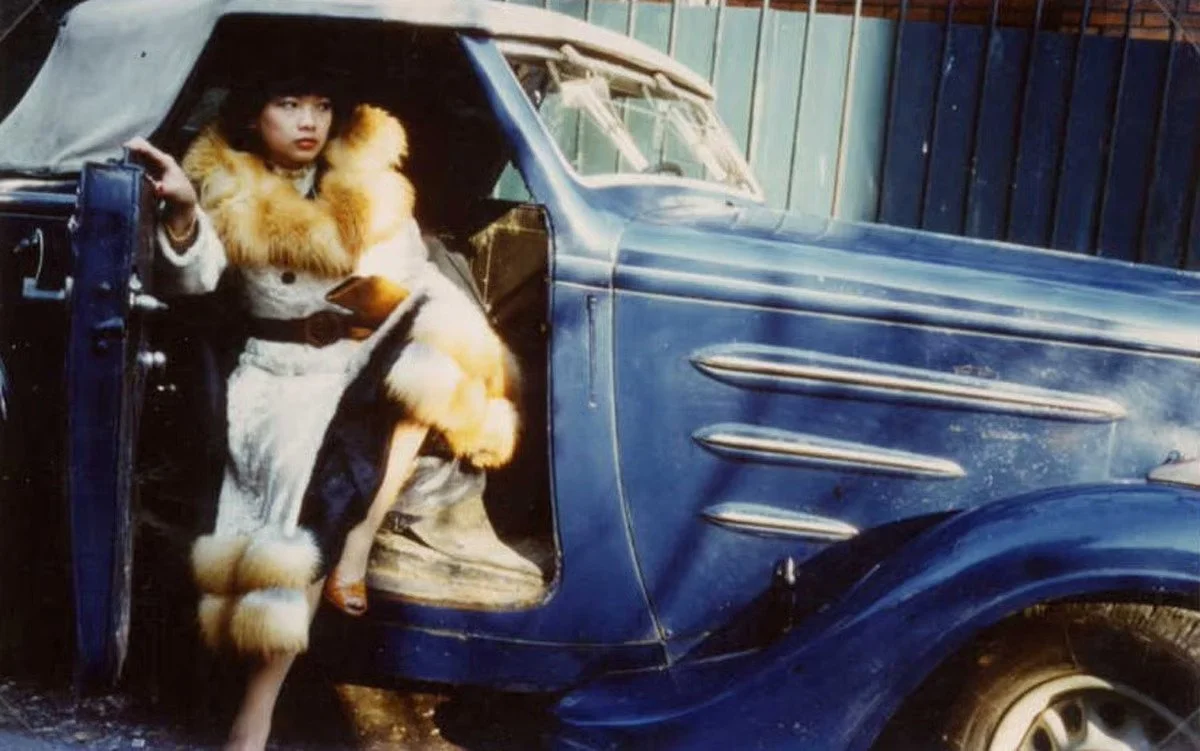
Shades of Silk (1978)
The Rib of the Greater Bay Area (2026)
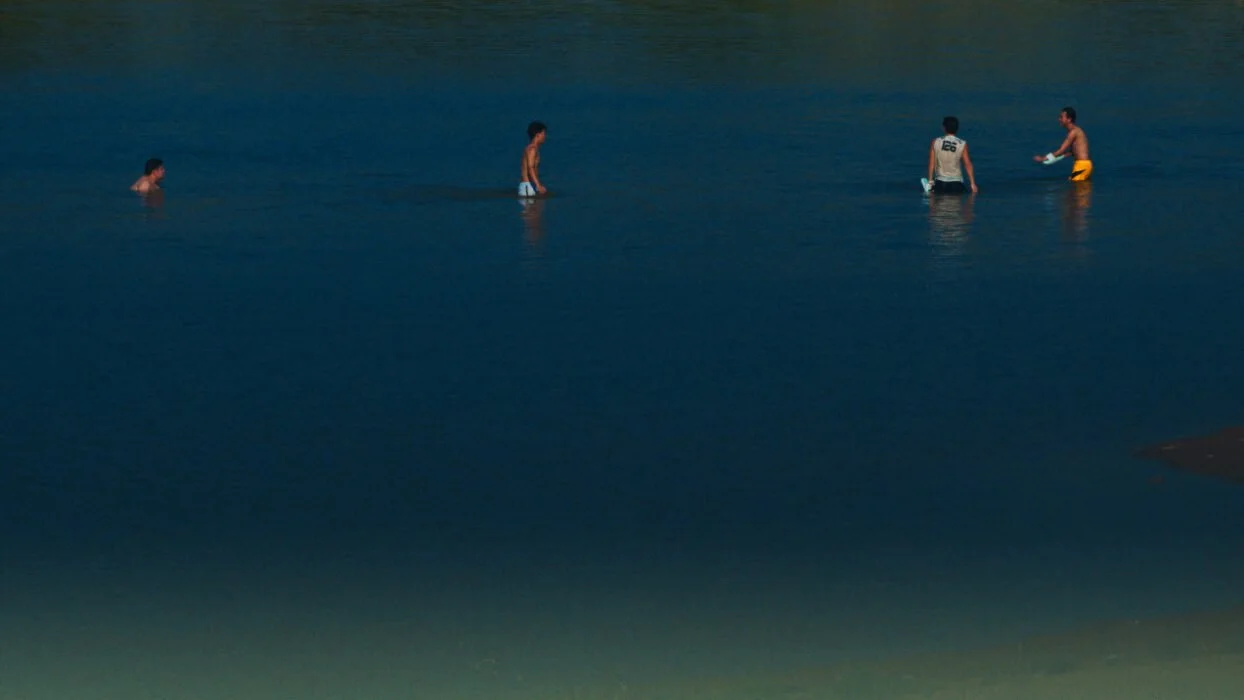
ZHOU TAO’S THE RIB OF THE GREATER BAY AREA
Friday, May 22nd at 8:30PM
Zhou Tao is one of the great documentarians of China’s contemporary film landscape. His works are deceptively simple, utilizing the basic elements of filmmaking to shed light on different regions throughout China. THE RIB OF THE GREATER BAY AREA is his latest stunner, shooting around the Greater Bay Area—from the Pearl River to Victoria Harbour—with a telephoto lens. His manipulations render different scenes into pure color, reminiscent of recent works by Ernie Gehr. In his embrace of digital flatness, he ekes out tremendous images that are ghostly, gauzy, and beautiful in their everyday nature.
THE RIB OF THE GREATER BAY AREA will be preceded by Francisco Rojas’ UNMEASURABLE PARTICLES, another work of digital wizardry. Shooting on a Fuji digital camera, Rojas transforms the Callecalle River in Valdivia, Chile into flecks and ribbons of hyperreal colors.
Program:
Unmeasurable Particles (Francisco Rojas, 2026, 10 mins)
The Rib of the Greater Bay Area (Zhou Tao, 2026, 70 mins)
TRT = 80 mins
Films provided by the directors.
HALLUCINATORY DETOUR: THE FILMS OF AHMET KUT
Saturday, May 23rd at 12PM
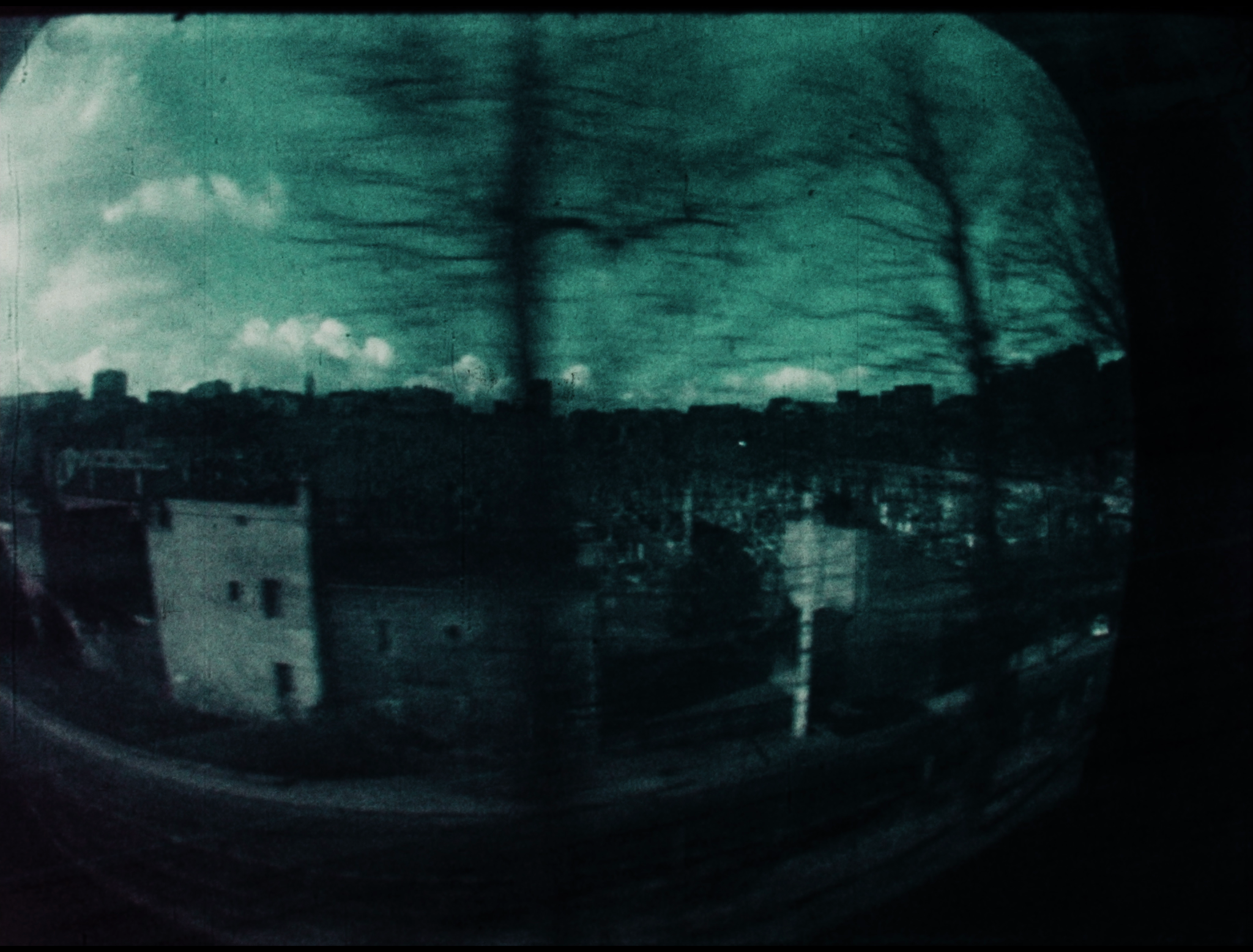
Ahmet Kut is one of the co-founders of the Paris Films Coop. Throughout the 1970s, the filmmakers whose works were part of this loose collective represented an alternative view of experimental and especially structuralist filmmaking. The three works in this program represent the bulk of Kut’s filmic output, and are playing on rare 16mm prints. BLANC (1975) is a structuralist meditation built on a film roll left behind by his late best friend. POUR FAIRE UN BON VOYAGE, PRENONS LE TRAIN (1973) is a whirlwinding collection of superimpositions soundtracked by Jean-Louis Aubert of Téléphone fame. REGARD DE MA FENÊTRE (1974) is a sort of French, hippie EMPIRE (1965), featuring shots of buildings outside Kut’s home. Please note that this latter film is faded and that there is no other copy in existence.
Program:
Blanc (Ahmet Kut, 1975, 5 mins) [16mm]
Pour faire un bon voyage, prenons le train (Ahmet Kut, 1973, 20 mins) [16mm]
Regard de ma fenêtre (Ahmet Kut, 1974, 45 mins) [16mm]
TRT = 70 mins
Films provided by Cinédoc Paris Films Coop.
Pour faire un bon voyage, prenons le train (1973)
Masses Turbulentes (1976)
CINEMATIC JOUISSANCE: PHILIP DUBUQUOY, DOMINIQUE WILLOUGHBY, AND CLAUDINE EIZYKMAN
Saturday, May 23rd at 2PM
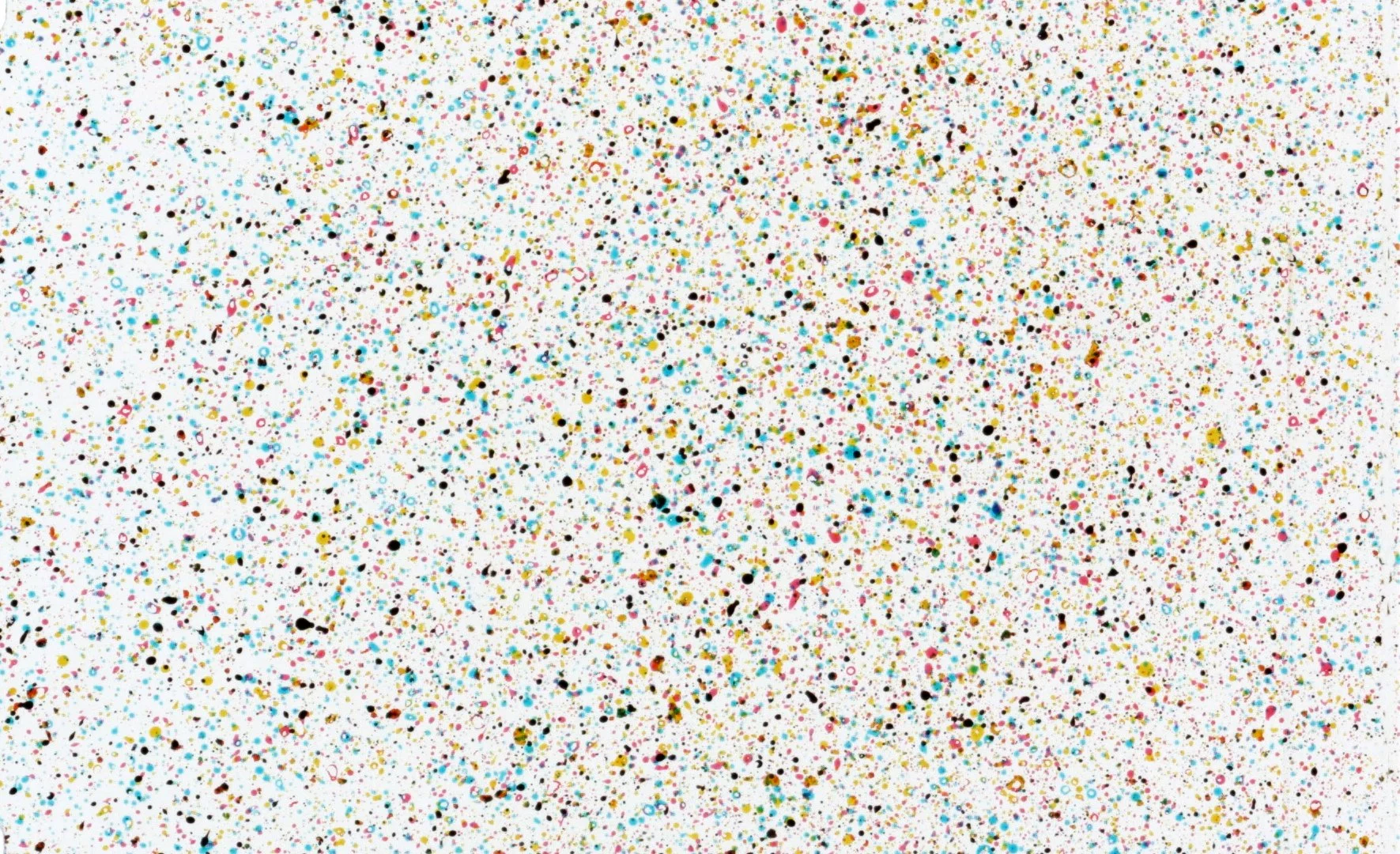
CINEMATIC JOUISSANCE takes its title from Claudine Eizykman’s theories of filmmaking, which were rooted in philosopher Jean-François Lyotard’s ideas. A co-founder of the Paris Films Coop, Eizykman believed that experimental film’s kinetic potential could lead to a new mode of perception, one that could elicit extreme reactions such as nausea and pleasure. Her film, BRUINE SQUAMMA 3ÈME PARTIE : SÉRIES SATURÉES (1972-1977), is part of a trilogy in which all parts could be seen together or as standalone works. Preceding this film are two imageless works: Philip Dubuquoy’s COLOR ENTROPIE (1979-1980), a hypnotic painted film reminiscent of Stan Brakhage and José Antonio Sistiaga; and Dominique Willoughby’s MASSES TURBULENTES (1976), a hypnotic film featuring colorful micro-drops sprayed onto transparent film stock.
Program:
Color Entropie (Philip Dubuquoy, 1979-1980, 10 mins) [16mm]
Masses Turbulentes (Dominique Willoughby, 1976, 17 mins) [16mm]
Bruine Squamma 3ème partie : Séries Saturées (Claudine Eizykman, 1972-1977, 33 mins) [16mm]
TRT = 60 mins
Films provided by Cinédoc Paris Films Coop.
LIGHT CONTEMPLATIONS: ARTHUR & CORINNE CANTRILL, PART 1
Saturday, May 23rd at 6PM
For half a century, the husband-and-wife filmmaking duo Arthur (b. 1938) and Corinne Cantrill (1928-2025) crafted bold 16mm films that informed generations of avant-garde filmmaking in Australia. The Cantrills held workshops and salons to teach younger filmmakers their craft, frequently held film screenings in their home, and edited and published 100 issues of the Cantrills Filmnotes from 1971-2000. TGFF is excited to present the largest retrospective of the Cantrills’ works in the US in 25 years, presenting rare 16mm prints showcasing their visionary ideas.
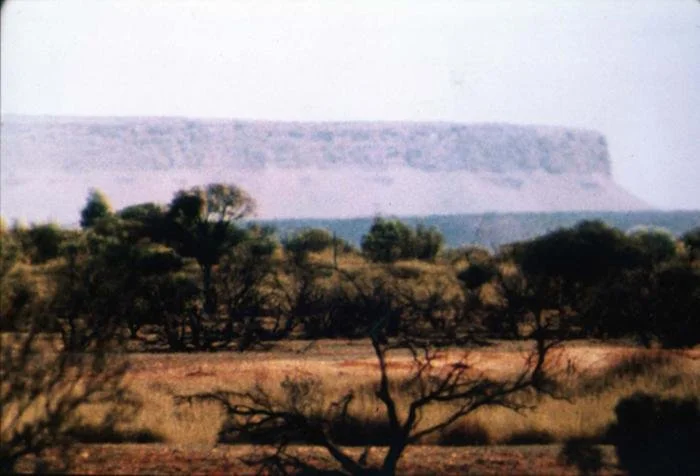
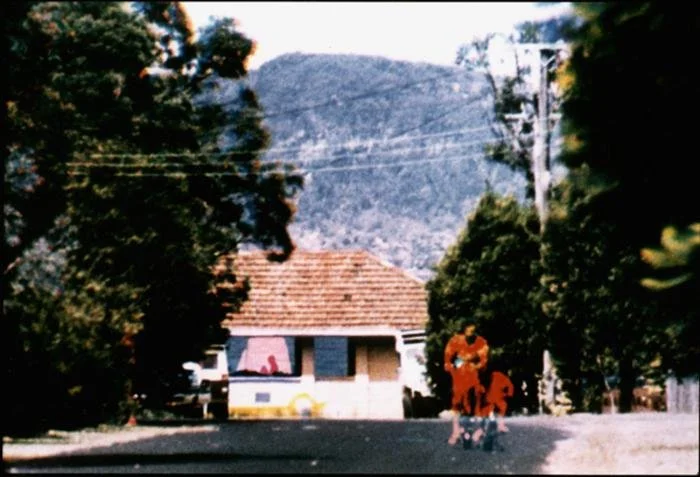
LIGHT CONTEMPLATIONS features a chronological selection of films beginning with BOUDDI (1970), a kinetic portrait of the titular coastal bush in New South Wales. The subsequent three works depict the Cantrills’ signature three-color separation technique, starting with the subtle HEAT SHIMMER (1978) shot in Central Australia, to the lush coastal tapestry of the Hawkesbury River in WARRAH (1980), to the outrageously hyperreal MacKenzie Falls in WATERFALL (1984).
Program:
Bouddi (Arthur & Corinne Cantrill, 1970, 8 mins) [16mm]
Heat Shimmer (Arthur & Corinne Cantrill, 1978, 12 mins) [16mm]
Warrah (Arthur & Corinne Cantrill, 1980, 15 mins) [16mm]
Waterfall (Arthur & Corinne Cantrill, 1984, 17 mins) [16mm]
TRT = 52 mins
Films provided by Arsenal Filminstitut.
Heat Shimmer (1978)
Notes on the Passage of Time (1979)
PERMANENT VACATIONS: ARTHUR & CORINNE CANTRILL, PART 2
Saturday, May 23rd at 7:30PM
For half a century, the husband-and-wife filmmaking duo Arthur (b. 1938) and Corinne Cantrill (1928-2025) crafted bold 16mm films that informed generations of avant-garde filmmaking in Australia. The Cantrills held workshops and salons to teach younger filmmakers their craft, frequently held film screenings in their home, and edited and published 100 issues of the Cantrills Filmnotes from 1971-2000. TGFF is excited to present the largest retrospective of the Cantrills’ works in the US in 25 years, presenting rare 16mm prints showcasing their visionary ideas.
PERMANENT VACATIONS pairs two meditative works from the Cantrills. NOTES ON THE PASSAGE OF TIME (1979), a three-color separation film of Pearl Beach, its inhabitants moving like apparitions. OCEAN AT POINT LOOKOUT (1977) contemplates the ocean at Stradbroke Island, creating a “visual poem with a musical structure based on silence.”
Program:
Notes on the Passage of Time (Arthur & Corinne Cantrill, 1979, 13 mins) [16mm]
Ocean at Point Lookout (Arthur & Corinne Cantrill, 1977, 45 mins) [16mm]
TRT = 58 mins
Films provided by Arsenal Filminstitut.
ETERNAL ACCUMULATIONS: ARTHUR & CORINNE CANTRILL, PART 3
Saturday, May 23rd at 9PM
For half a century, the husband-and-wife filmmaking duo Arthur (b. 1938) and Corinne Cantrill (1928-2025) crafted bold 16mm films that informed generations of avant-garde filmmaking in Australia. The Cantrills held workshops and salons to teach younger filmmakers their craft, frequently held film screenings in their home, and edited and published 100 issues of the Cantrills Filmnotes from 1971-2000. TGFF is excited to present the largest retrospective of the Cantrills’ works in the US in 25 years, presenting rare 16mm prints showcasing their visionary ideas.
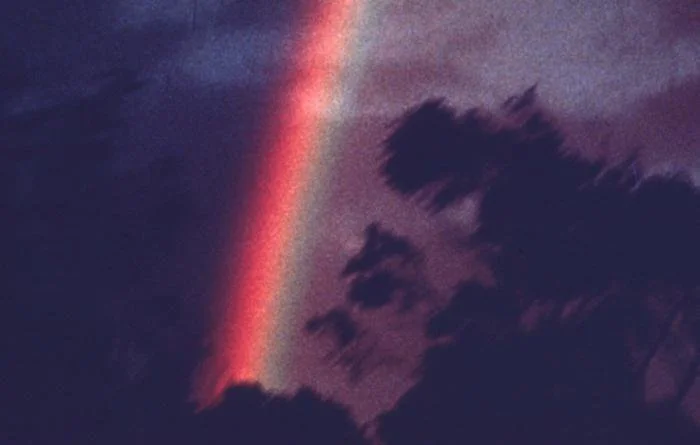
ETERNAL ACCUMULATIONS pairs two wildly different landscape films from the Cantrills. EARTH MESSAGE is a dynamic, freewheeling depiction of the Australian bush, complete with Aboriginal music. AT ULURU examines the sacred sandstone monolith known as Ayers Rock, allowing viewers to gradually feel its power, beauty, and mystery.
Program:
Earth Message (Arthur & Corinne Cantrill, 1970, 23 mins) [16mm]
At Uluru (Arthur & Corinne Cantrill, 1977, 80 mins) [16mm]
TRT = 103 mins
Films provided by Arsenal Filminstitut.
At Uluru (1977)
Film for Invisible Ink, Case No. 323: ONCE UPON A TIME IN THE WEST (2010)
DAVID GATTEN’S FILMS FOR INVISIBLE INK
Sunday, May 24th at 6PM
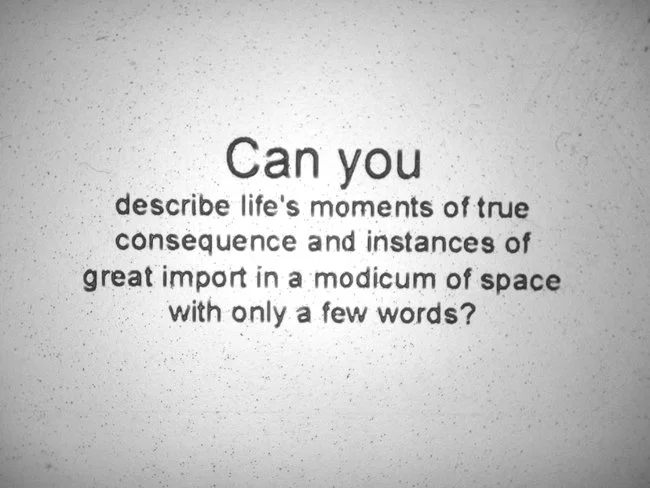
David Gatten (b. 1971) is an American filmmaker whose works are deeply concerned with materiality, the written word, and the ways in which printed communication can be polysemic and prismatic when presented in a filmic context. This program highlights works from his FILM FOR INVISIBLE INK series, where minimalist aesthetics collapse image and text. The final film in the series was made for his wedding to the writer, filmmaker, and video artist Erin Espelie. These works are preceded by SHRIMP BOAT LOG (2010), a work featuring shrimp boats on the Edisto River, the images guided by Leonardo da Vinci’s own notebooks.
Program:
Shrimp Boat Log (David Gatten, 2010, 6 mins) [16mm]
Film for Invisible Ink, Case No. 71: Base-Plus-Fog (David Gatten, 2006, 10 mins) [16mm]
Film for Invisible Ink, Case No. 142: Abbreviation for Dead Winter [Diminished by 1,794] (David Gatten, 2008, 13 mins) [16mm]
Film for Invisible Ink, Case No. 323: ONCE UPON A TIME IN THE WEST (David Gatten, 2010, 20 mins) [16mm]
TRT = 49 mins
Films provided by Canyon Cinema.
CLOSING NIGHT: KEVIN WALKER & JACK AUEN’S CHRONOVISOR
Sunday, May 24th at 7:30PM
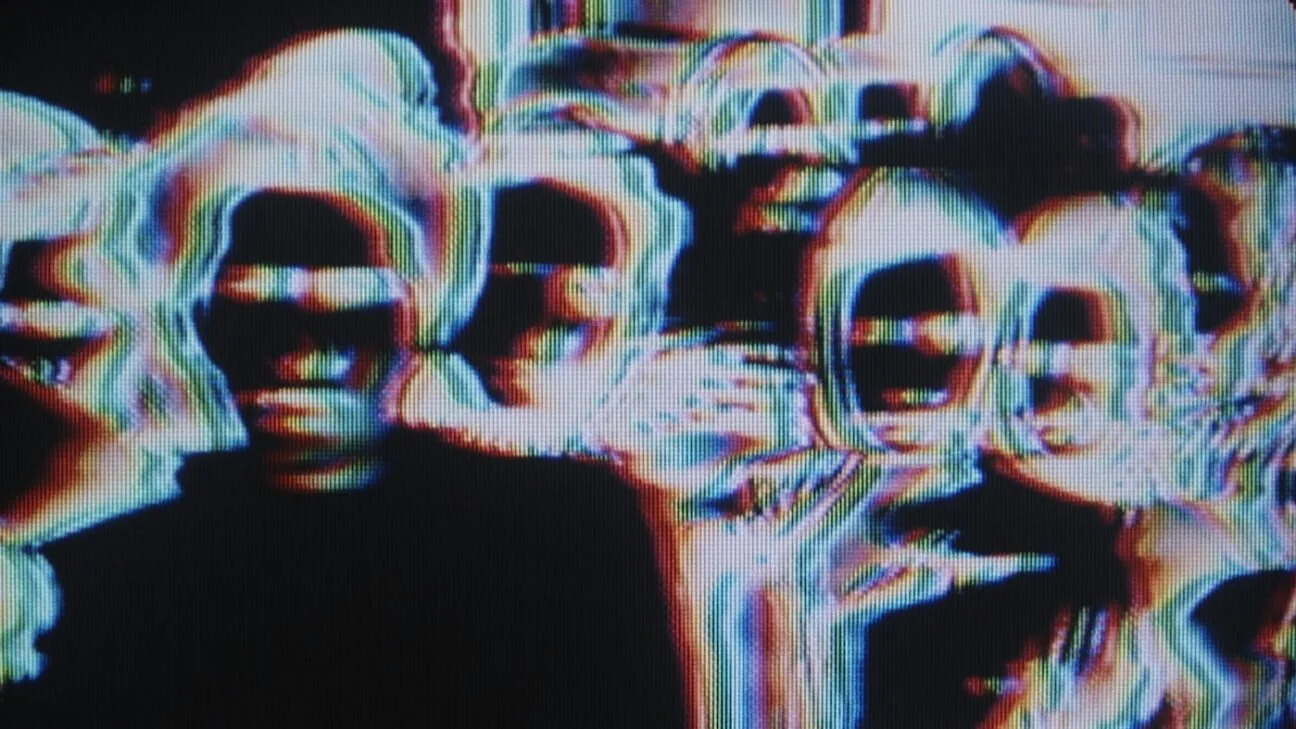
CHRONOVISOR (2026) is the most brilliant American feature film debut of the decade. Inspired by the titular invention—a device that Italian Benedictine monk Pellegrino Ernetti used to allegedly view the Crucifixion of Jesus Christ—CHRONOVISOR follows the French academic Beatrice Courte (Anne Laure Sellier) as she navigates a labyrinthine sprawl of information found in books, video footage, and more. In the lineage of works by Umberto Eco and Jorge Luis Borges, Kevin Walker and Jack Auen invite viewers to follow Courte in her impassioned quest of discovery through ample amounts of onscreen text, the effect similar to viewing films by Michael Snow and David Gatten. CHRONOVISOR is shot on gorgeous 16mm and soundtracked by Gustav Holst, providing a vivid portrait of New York City’s historic libraries but also specific phenomena that are rarely conveyed in film successfully: the all-consuming rabbit holes that research draws us into, and the subtle allure of conspiratorial thinking.
CHRONOVISOR will be preceded by Park Kyujae’s MUR DE L’ATELIER (2023-2026), a short-form, black-and-white, hand-processed 16mm film poetically depicting flora and interior spaces.
Program:
Mur de l'atelier (Park Kyujae, 2023-2026, 10 mins)
Chronovisor (Kevin Walker & Jack Auen, 2026, 99 mins)
TRT = 109 mins
Films provided by the directors and Grasshopper Film.
Chronovisor (2026)
More Screenings
The following TGFF screenings will take place at venues other than Chicago Filmmakers.
A Wedding (1982)
ARRIVALS: THE REGIONAL SPIRITS OF ALLEN ROSS AND PETER BUNDY
Block Museum of Art, Northwestern University (40 Arts Circle Drive, Evanston, IL 60208)
Sunday, May 24th at 12PM
This event is free. RSVP at the link here.
In the busy, fragmented, coastally-dominated landscape of American independent cinema in the 1970s and 1980s, regional voices like Chicago’s Allen Ross and Alabama’s Peter Bundy might have been hard to hear. Whether due to their location, to the economy of their means, or to the boldly personal and formally challenging quality of their films, Bundy’s minimalistic landscape works and Ross’s elusive portraits have never enjoyed national visibility. “Arrivals – Regional Spirits” seeks both to embrace and to correct the perception of these two undersung artists as “minor” figures. While their reflective, often melancholy works linger on the minute details, small gestures, and modest lives that manifest regional identity, they also express the grandest aspirations of experimental cinema: that potentially anything and anyone is worthy of devoted attention.
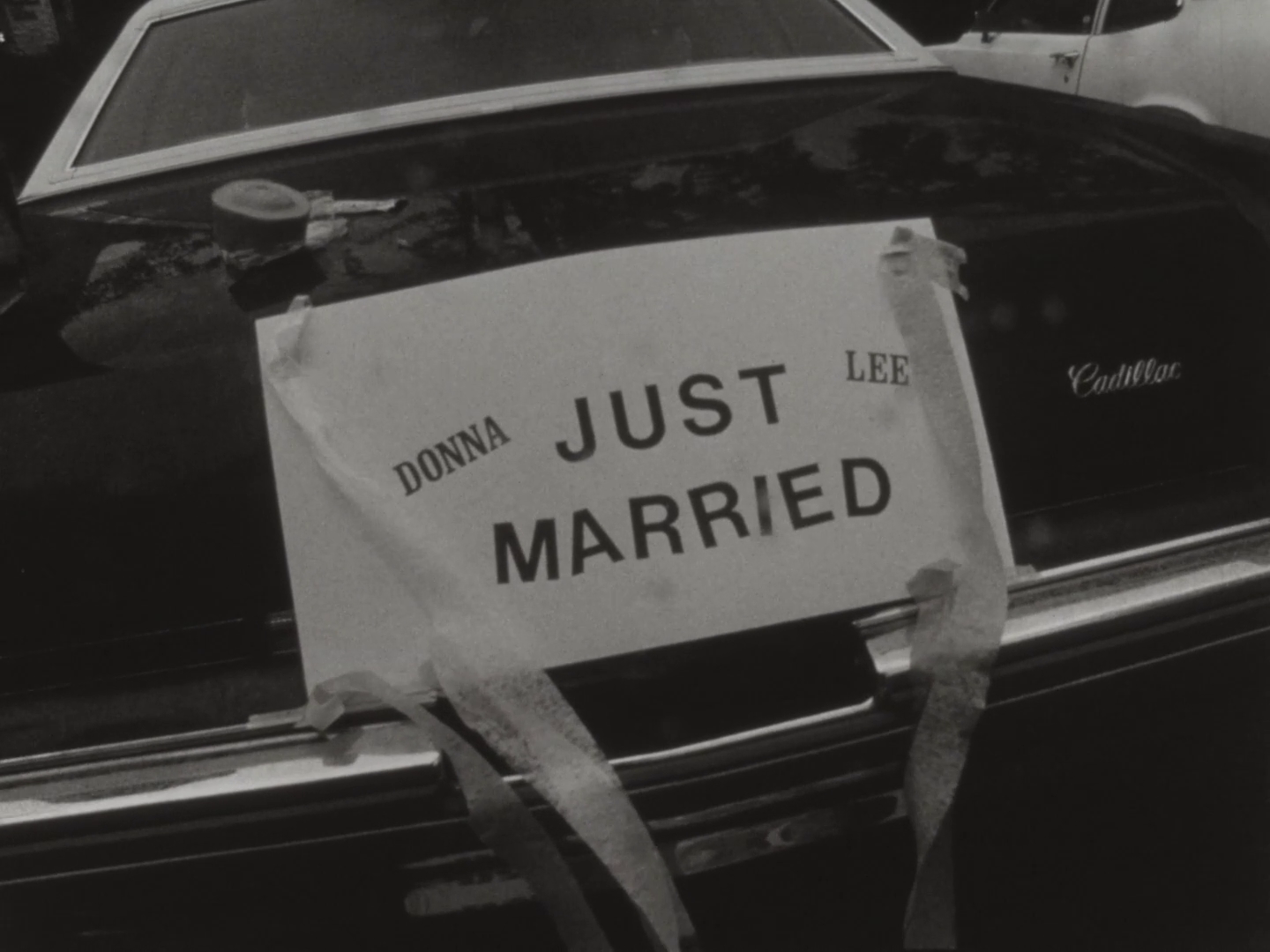
Perhaps Allen Ross’s most abstract and tender film is TRYST (1981), which conjures the flush of infatuation through an elusive series of skyscapes, close-ups, and city views. TRYST builds on the elemental themes and tinting experiments of THE GRANDFATHER TRILOGY (1979-1981), finding poetry in the interstices of the local, the cosmic, the concrete, and the ineffable. In A WEDDING (1982), Ross’s striking and disorienting cinematography warps the familiar contours of the American wedding ritual, while his elliptical sense of time transforms the documentation of an event into a memory of a lost feeling.
Program:
Roan Mountain Eulogy (Peter Bundy, 4 mins)
Four Corners (Peter Bundy, 15 mins) [16mm]
Summer Sketch (Peter Bundy, 19XX, 4 mins) [16mm]
Tryst (Allen Ross, 1981, 14 mins) [16mm]
A Wedding (Allen Ross, 1982, 25 mins) [16mm]
TRT = 62 mins
Films provided by the Walker Art Center and Chicago Filmmakers.
DEPARTURES: FILMS OF PLACE BY ALLEN ROSS, PETER BUNDY, AND ROBERT FULTON
Block Museum of Art, Northwestern University (40 Arts Circle Drive, Evanston, IL 60208)
Sunday, May 24th at 2PM
This event is free. RSVP at the link here.
From southern Alabama to Bowling Green, Kentucky by way of Tibet, this collaborative program between Tone Glow and Block Cinema gathers together three underrecognized experimental filmmakers whose eccentric paths each explored vastly different terrains, while gravitating around shared concerns for the cinematic evocation of place and spirit.
ALABAMA DEPARTURE (1978), co-directed by Peter Bundy & Bryan Elsom, is a beautiful tapestry of small towns in southern Alabama: Coffeeville, Banks, and Dauphin Island. Through gentle portraits of these landscapes, the film encourages a mode of viewing and listening that draws connections between humans, the natural world, the music they both create, and the environments that bind them. Insects buzz, fish leap out of the Gulf of Mexico, and an organist plays a ditty: all of life as song and dance.
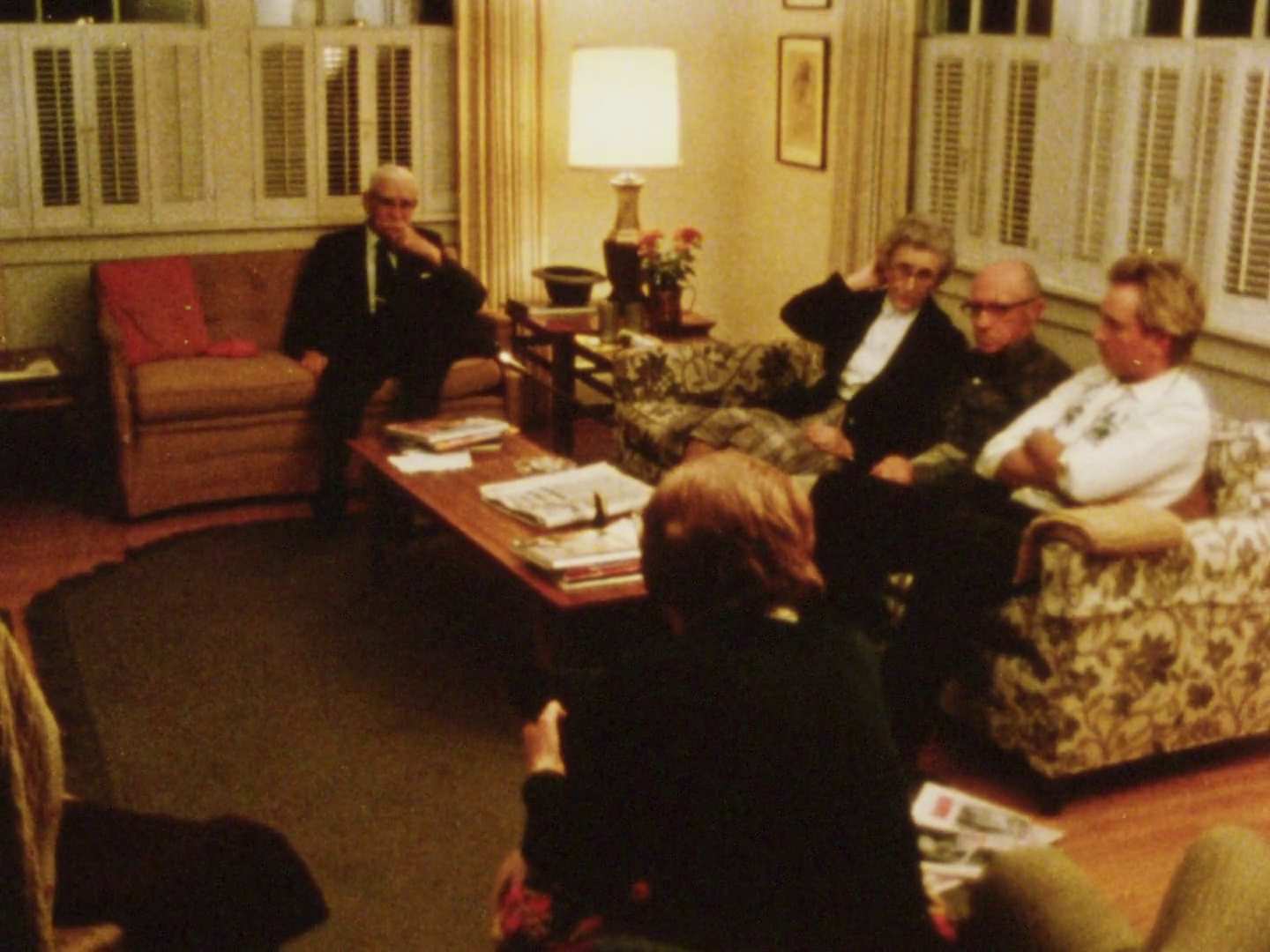
In THE GRANDFATHER TRILOGY (1979-1981), the trio of short films that came to define his legacy, late Chicago filmmaker Allen Ross crystallized an austere but unmistakably personal cinema rooted in time, place, and family. As plain as dirt and as rich as soil, PAPA (32 min) is built up from stark black-and-white 16mm compositions that frame the filmmaker’s land-working grandfather at peculiar angles, often casting a glance pensively to the beckoning earth. As a portrait film, the film captures what Ross called his grandfather’s “divinely shadowed presence” with bracing intimacy. The mundane family conversations and afternoon naps captured in THANKSGIVING, 1979 linger in the incandescent light of unhurried time — even as a background TV broadcast delivers unsettling reports on the unfolding hostage crisis in Iran. Ross pivots to reflect on the ephemerality of life and the finality of death in the last of the three shorts, BURIELS. Cast in an aching blue hue, the film attends to the banal conventions of grief with pure reverence, crafting one of cinema’s most tender and understated depictions of death as a ritual, as a passage, and as a transubstantiation.
At once materialist and spiritual, THE GRANDFATHER TRILOGY reflects the influence of avant-garde filmmaker Robert Fulton, with whom Ross studied while attending the School of the Art Institute of Chicago. Fulton was an independently wealthy cinematographer, world traveler, and seeker who, like Ross, had a habit of turning the world upside down through his camera; for PATH OF CESSATION (1974), Fulton traveled to Tibet, gathering impressions in the form of both meditative long takes and swirling superimpositions and inversions.
Program:
Alabama Departure (Peter Bundy & Bryan Elsom, 1978, 9 mins)
Path of Cessation (Robert Fulton, 1974, 15 mins) [16mm]
The Grandfather Trilogy (Allen Ross, 1981, 60 mins) [16mm]
TRT = 84 mins
Films provided by the Walker Art Center, Canyon Cinema, and Chicago Filmmakers.
The Grandfather Trilogy (1981)
Light Describing a Cone (1973)
AFTER PARTY: THE LIGHT SHOW AT 11:30PM
Secret Location (Details will be sent on day of event for ticket holders)
Sunday, May 24th at 11:30PM
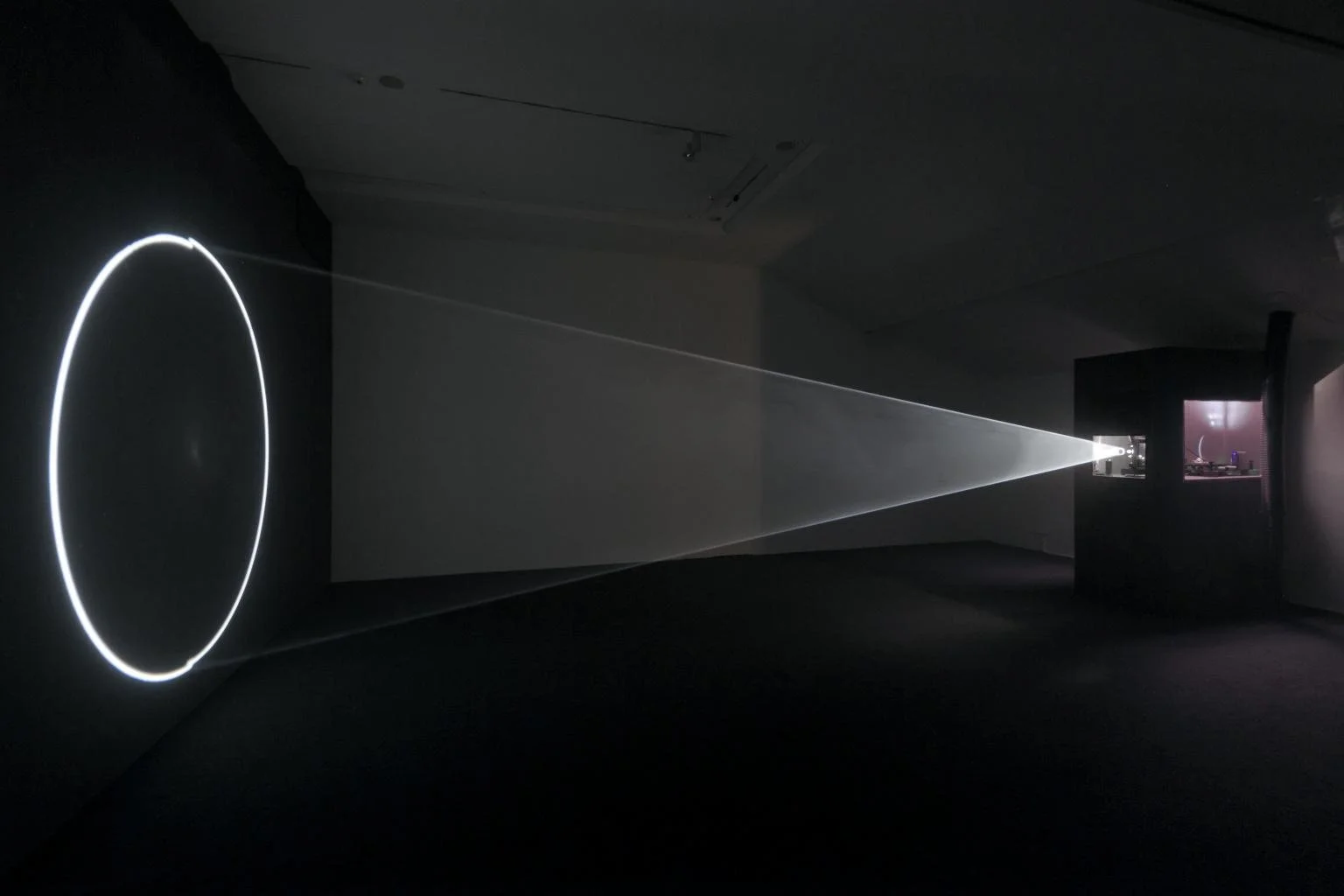
Tone Glow Film Festival concludes with an after party. This screening features two works by Anthony McCall. LINE DESCRIBING A CONE (1973) is what the British artist calls a “solid light film,” as the primary experience of the work is with the projected light beam. “The film exists only in the present: the moment of projection. It refers to nothing beyond this real time,” he’s said. “No longer is one viewing position as good as any other. For this film every viewing position presents a different aspect. The viewer therefore has a participatory role in apprehending the event: he or she can—indeed needs to move around, relative to the emerging light-form.” A similar work, CONICAL SOLID (1974), will also be shown. Additional short-form works will also be shown throughout the event. Smoking is permitted, even encouraged. This event is being held at a secret location; all ticket holders will be emailed the address on the day of the event. Alternatively, you can DM Joshua Minsoo Kim on Instagram (@misterminsoo) for further information.
Program:
Line Describing a Cone (Anthony McCall, 1973, 30 mins) [16mm]
Conical Solid (Anthony McCall, 1974, 10 mins) [16mm]
TRT = 40 mins + Additional Surprises
Films provided by Canyon Cinema.